
What Should You Do When a Factory Changes Product Specifications?
You approved the sample and confirmed the production specifications. But during production, you discover that the factory has changed something without asking.
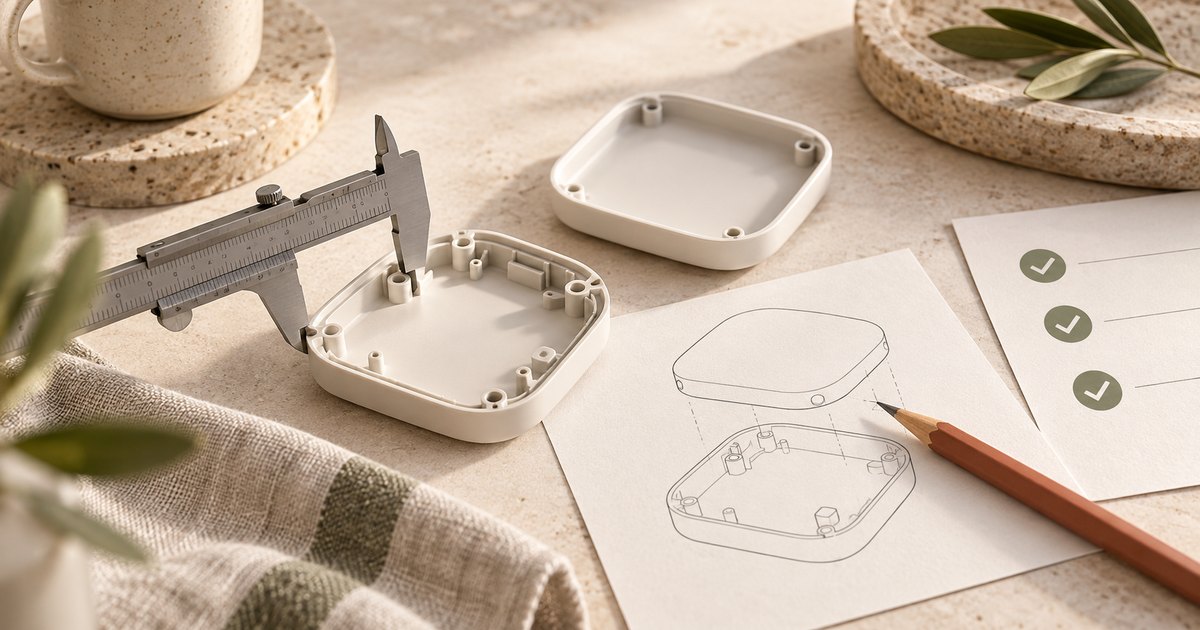
It could be the material, dimensions, components, packaging, or manufacturing method.
What should you do next?
Don’t rush into arguing about who’s responsible. First, find out exactly what changed.
Step 1: Compare the Product With the Approved Requirements
Collect the approved sample, specifications, drawings, purchase documents, and relevant communication records.
Identify the differences between the agreed requirements and actual production.
Not every difference has the same impact. Some may be minor; others may affect product performance, safety, or customer acceptance.
Document what you find with photographs, measurements, and inspection notes where appropriate.
Step 2: Stop the Problem From Getting Bigger
If production is still running, ask the factory to hold the affected work while the issue is reviewed.
Confirm how many units have already been produced and whether the same change affects the entire batch.
The earlier you identify the scope, the more options you may have. Keep communication clear and factual, especially when the delivery deadline is approaching.
Step 3: Agree on a Practical Solution
Depending on the issue, possible solutions may include:
- Reworking affected products.
- Replacing nonconforming units.
- Testing and approving an alternative.
- Adjusting the delivery plan.
Confirm the agreed solution, responsibilities, and timeline in writing.
Who bears the cost will depend on the agreed terms and actual circumstances; don’t assume every dispute has the same outcome.
The Takeaway
When something goes wrong, clear communication and accurate information are more useful than a long argument.
The goal is to understand the problem, prevent further losses, and find a workable solution.
Facing a manufacturing problem with a supplier in China?